Seitai Shinpo · Waimea & Kona
Structural Acupuncture
Seitai Shinpo means "correct body needle method." Rather than chasing symptoms, it looks for the tension held in the muscles of the back that pulls the body out of balance. When that tension lets go, blood and nerves can flow more freely, and the body can settle into rest, giving it the chance to do what it already knows how to do: heal.
Each point is chosen carefully and treated with precision. We adjust needle depth and technique to your body and how it responds, so treatment is gentle for some people and deeper for others.
The style was developed in Japan in the 1970s by Dr. Daiichi Sorimachi. He was inspired by the moxibustion of Sawada Ken and studied directly with Dr. Keizo Hashimoto, the physician who developed Sotai. Diagnosis is guided more by the structure of the body than by the pulse or tongue. More about Seitai Shinpo →
Acupuncture For
Low Back Pain & Sciatica
Much of the back pain we see starts with tension in the muscles of the back and hips, pressing on nerves and cutting off healthy blood flow. Sciatica often follows the same pattern, sending pain down the leg.
Rather than just easing the ache for a few days, we work to release that tension at its source, so the body can hold itself comfortably again.
Learn more about back pain & sciatica →
Acupuncture For
Neck & Shoulder Tension
Stress, screens, and long workdays settle into the neck and shoulders. Over time that tightness can bring headaches, poor sleep, and a feeling of carrying the world on your back.
We work through the whole back, not just the sore spot, so these areas can soften and the tension has less reason to return.
Learn more about neck & shoulder tension →
Acupuncture For
Knee & Joint Pain
Knee pain often sits in one precise spot you can point to with a finger, and that kind often responds quickly. Other knees swell, ache all over, or only hurt on the stairs.
We treat the knee together with the hip and lower leg, and use acupuncture and moxa to help ease swelling and pain in knees and any other aching joint.
Learn more about knee & joint pain →
Acupuncture For
Stress, Anxiety & Sleep
When the body is stuck in "go" mode, the mind races, anxiety builds, sleep gets light, and even digestion slows down.
Treatment helps the body shift into rest. Many patients fall asleep on the table and leave feeling calm, relaxed, and refreshed. At home, many notice deeper sleep and easier digestion too.
Learn more about stress, anxiety & sleep →
The Tradition
Rooted in Chinese Medicine
We both trained in Traditional Chinese Medicine, and it remains the foundation of how we look at the body, even when our treatments are structural.
Channels and meridians
Chinese medicine maps a network of channels, or meridians, that run through the body, each linked to an organ system. Acupuncture points lie along these pathways. Many of them sit at places modern anatomy also finds meaningful: where nerves come close to the surface, in the spaces between muscles, and along bands of connective tissue. We use this map together with what we feel under our hands.
Tongue and pulse
Looking at the tongue and feeling the pulse are two of the oldest assessment tools in Chinese medicine. We note the tongue's color, coating, and shape, and feel the pulse at both wrists for its speed, strength, and quality. We rely on them most when prescribing herbs, where they help us see the pattern underneath your symptoms and choose what fits it.
The classical map and modern research describe the same body in different words. Below is what researchers have found so far.
The Science
How Acupuncture Works
Acupuncture has been practiced for more than two thousand years, and researchers are still learning how it works. Three findings help explain what we see on the table.
1. It quiets pain signals
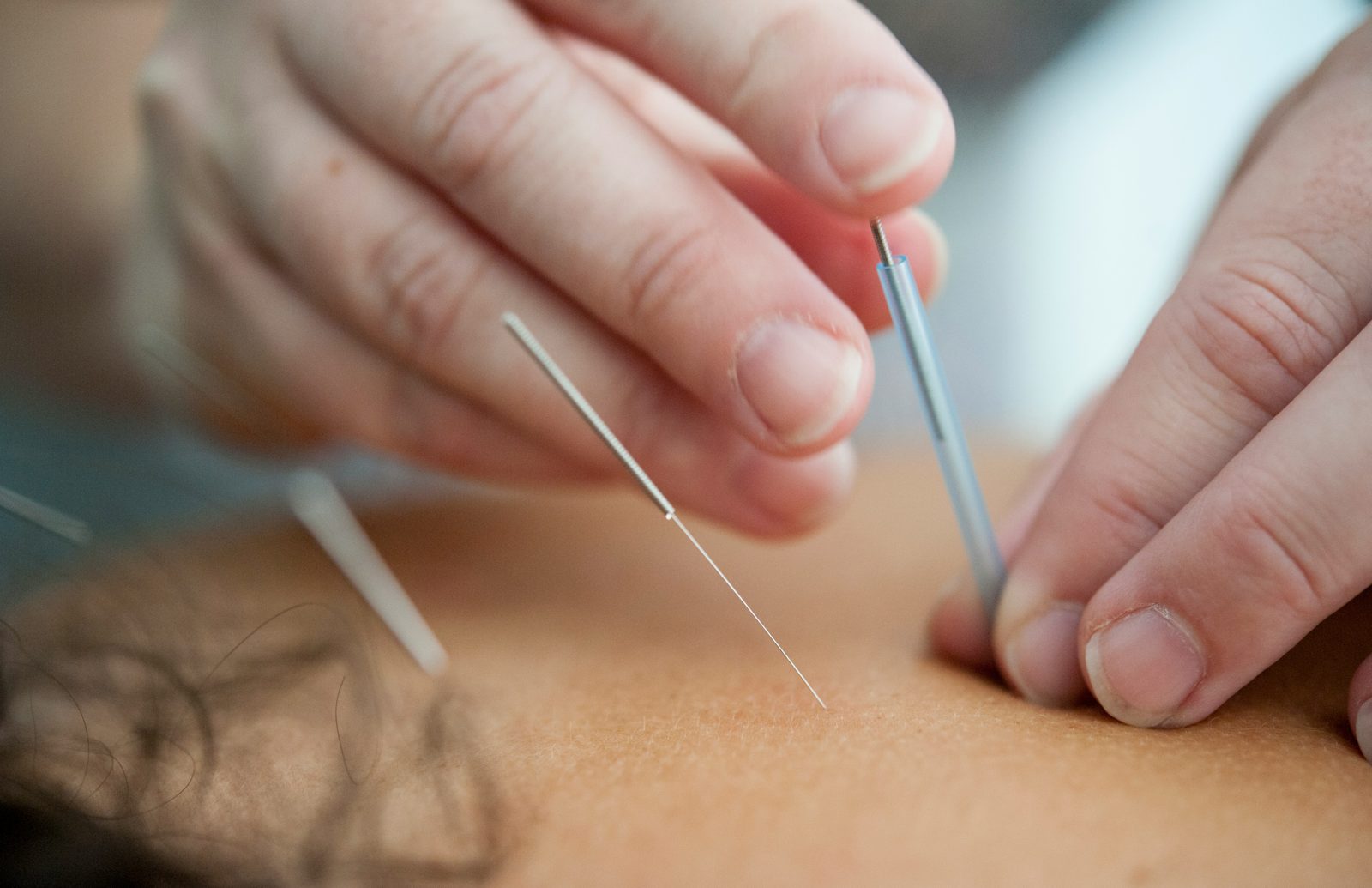
A fine needle stimulates small nerve fibers in the skin and muscle. Those fibers carry signals up the spinal cord to the brain, which responds by turning down incoming pain signals and releasing the body's own pain relievers, such as endorphins.
2. It helps a tight muscle let go
Muscles under strain often develop a taut band: a ropy strip of fibers that stays contracted and is tender to press. When the needle reaches that band, the muscle often gives a small, quick twitch, called a local twitch response. Afterward the band usually softens. Physical therapists who use dry needling see the same response.
3. It may work through connective tissue
At the University of Vermont, Dr. Helene Langevin and her colleagues found that when a needle is gently turned, the surrounding connective tissue (fascia) winds around it, a little like spaghetti around a fork. That gentle pull reaches the cells within the tissue, and they respond by changing shape. Her team suggested this may be one way a treatment's effects spread beyond the needle itself.
These findings fit what we see every day: tight tissue letting go, pain easing, and the whole body settling into rest.
Deep Warmth
Moxa
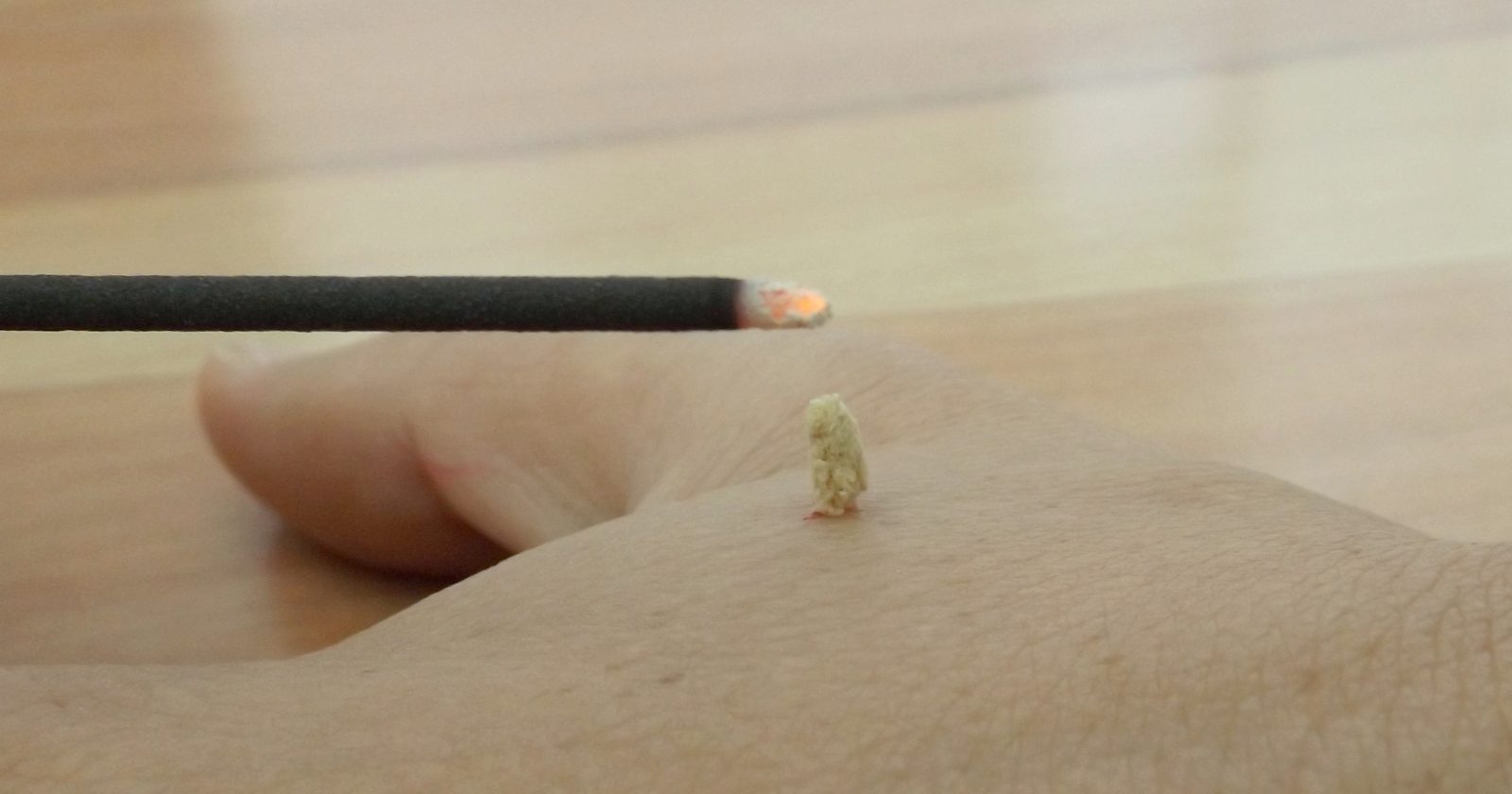
The application of moxa involves the burning of an herb called mugwort (Artemisia vulgaris) on or near specific areas of the body. Patients describe a deep, comforting warmth that helps tired or tight areas relax.
The sensation should be one of deep warmth. If it is too hot or you cannot feel it at all, let us know and we will adjust.
During Your Treatment
The Importance of Your Breath
While you're receiving treatment, it helps to be aware of your breathing. Breathe deeply into your belly, filling the lower abdomen as if you were filling a balloon. Then, with your jaw slightly relaxed, breathe out as slowly and comfortably as you can.
Slow breathing with a long exhale is one of the simplest ways to shift the nervous system from its busy, active side toward its restful one. Stress is normal when we are being chased, but it does not have to be our primary way of living.
Breathing this way helps your body settle into its natural relaxed state, and helps you get the most from your session.
What to Expect
A Typical Session
Visits with either of us run about 75 minutes from arrival to leaving. Jason's work through the whole body, front to back, finishing with light-touch craniosacral therapy.
Front of the Body
We begin face-up, assessing and treating the front of the body to open things up.
Back & Moxa
The heart of the treatment. Points are selected along the tight, contracted areas of the long muscles running down either side of the back, a few inches out from the center, with moxa to warm and soften.
Craniosacral Finish
Holding the feet and the base of the skull, Jason applies a very gentle traction, about the weight of a nickel, and waits. Often he feels a slight give, and many people ask, “Are you making me taller?”
Check-In
We see how your body responded and talk about what comes next.
And Much More
Other Conditions We Commonly Help With
- Knee & joint pain
- Hip pain
- Sports injuries
- Posture & alignment
- Tension headaches
- Anxiety & racing thoughts
- Mental fatigue
- Recovery after stressful periods
- Low energy & fatigue
- Seasonal immune support
- Recovery after injury or surgery
- Poor circulation
Don't see yours? Give us a call. Many people come in for one thing and find other things improve along the way.
Results That Build
A Lot Like Going to the Gym
If you went to the gym once expecting to get fit, you'd mostly just feel a little sore and tired the next day. Real strength comes from showing up again and again.
Acupuncture works in a similar way. Many people feel a real difference within a few treatments, and that may be all they need. But for those who enjoy it and come regularly, we see the deeper, long-term benefits unfold: steadier energy, better sleep, fewer flare-ups, and a body that bounces back more easily. Some of our clients have been coming for nearly 15 years.
How We Work
Listen, Look, Treat, Reassess
We don't fit you into a set plan. Each visit follows the same simple rhythm, and we let your body's response guide what comes next.
Listen
We start with your story: what brought you in, how long it has been going on, what makes it better or worse, and how you are sleeping, eating, and handling stress.
Look
With you standing, we compare the height of your hips and shoulders and watch how you bend forward, back, and side to side. When herbs may help, we also look at the tongue and feel the pulse.
Treat Gently
We begin with a standard depth and amount and adjust to how your body answers. Some people do best with deeper work that lets a muscle release; others do better with lighter needles left in place.
Reassess & Adjust
After treatment we look again, and there is often a visible change in how you stand and move. From one visit to the next, we adjust how often you come and what we include based on what is changing.
Acupuncture doesn't help everyone, and we won't pretend it does. Most people can tell within a few visits whether it is making a difference, and so can we. If it isn't, we'll tell you honestly and talk about other options.
Session Details
Getting Started
Depending on your treatment
Per session
Then spacing out as you improve
Ready to Begin?
Schedule by Phone or Text
Call or text either of us, and we’ll find a time that works.
New patient? Download the intake forms (PDF)
Print them and bring them to your first visit.