Chinese Herbal Medicine · Waimea & Kona
Herbal Medicine
Chinese medicine looks at the body through a different lens than the one most of us grew up with. Instead of asking only what's wrong and where, it asks how the whole system is running: where is there too much, where is there not enough, and what's not moving the way it should?
A formula isn't aimed at a symptom. It's aimed at the pattern underneath it. Two people with the same headache may leave with very different herbs. This doesn't replace Western medicine. It asks a different set of questions.
How We Diagnose
Same Symptom, Different Patterns
Chinese herbal medicine is a complete system of diagnosis and treatment, refined over two thousand years of careful observation and practice. It isn't a replacement for a medical diagnosis. It's a different way of looking at the same body.
Much of modern medicine, and the way many people use herbs and supplements today, matches a remedy to a symptom: one herb for sleep, another for a headache. Chinese medicine starts one step earlier. It asks what pattern in the body is producing the symptom, because the same symptom can come from very different patterns, and each pattern calls for a different formula.
Too Much Heat
Heat builds up and aggravates a system. It can show up as irritability, thirst, a flushed face, a racing mind, or restless sleep, often with a red tongue and a quick pulse.
Cold Coming In
Cold enters from outside, as at the start of many colds: chills, body aches, a stiff neck, and a runny nose with clear mucus.
Heat From Too Little Cooling
Here the heat isn't excess. The body's cooling, nourishing side, which Chinese medicine calls yin, is running low, so feeling warm in the evening, a dry mouth, and light sleep can follow. Cooling the heat alone won't fix it. The formula has to rebuild what's missing.
Tongue, pulse, and a full intake
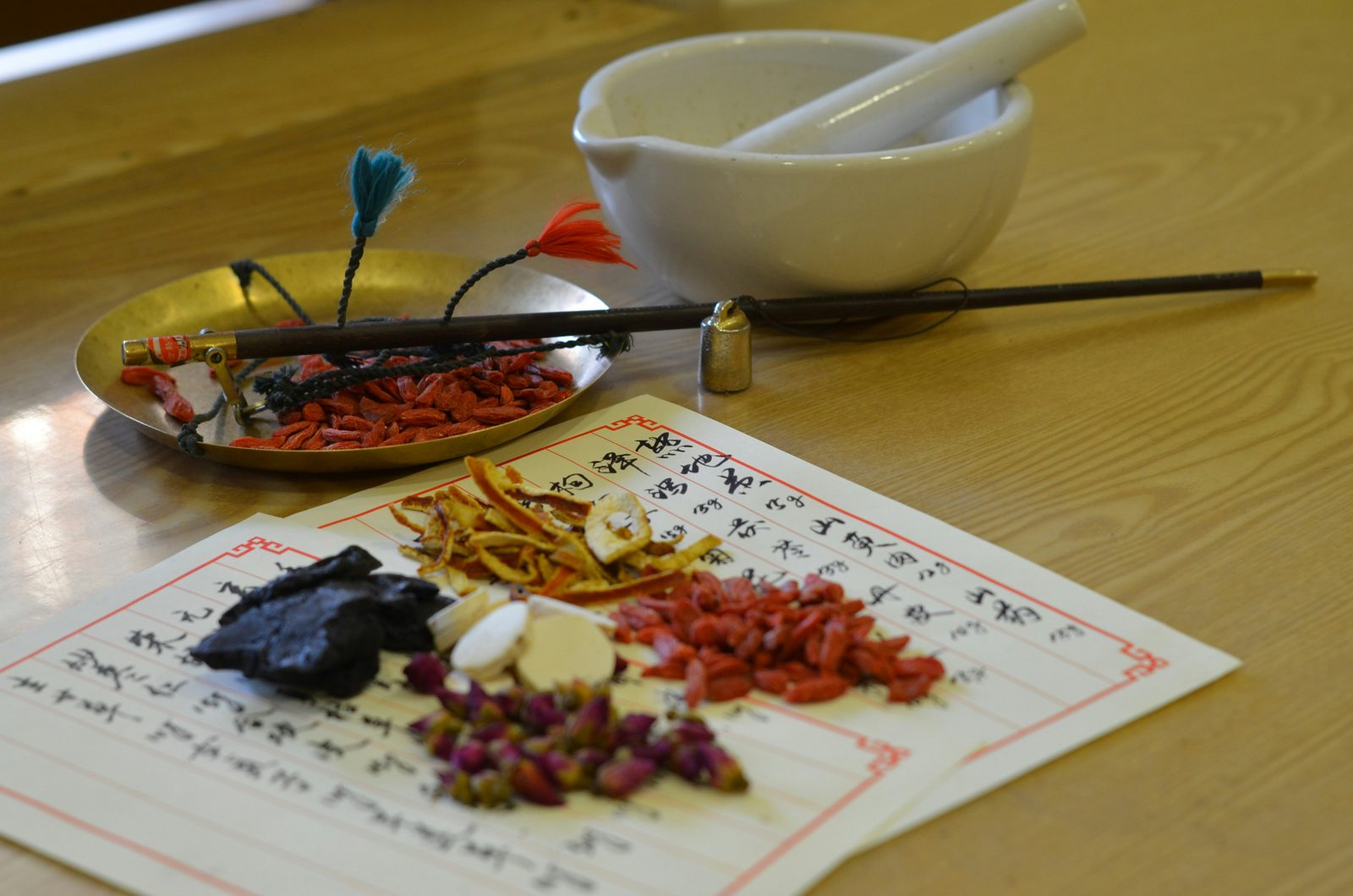
The tongue and pulse are our window into these patterns. We look at the tongue's color, coating, and shape, and feel the pulse at both wrists for its speed, strength, and quality. Then we ask about everything else: energy, digestion, sleep, stress, whether you run hot or cold, and your health history. Put together, this gives us a Chinese medicine diagnosis.
From pattern to formula
A formula usually combines several herbs, often built on classical formulas that have been used for centuries and adjusted to you. It aims to bring the underlying pattern back toward balance. As that pattern settles, the symptoms tend to ease, and the formula changes as you do.
Alongside Western medicine
These patterns are a traditional framework, not Western diagnoses, and they don't take the place of tests or your doctor's care. Research on Chinese herbal formulas is still growing. We see the two systems as asking different questions about the same person, and each can see things the other misses.
Herbs For
Cold & Flu Support
A cold can come in as cold or as heat, and each needs a very different formula. We look at your symptoms, tongue, and pulse to tell which, and adjust as the cold changes.
There are also formulas traditionally used to support your defenses, before travel or when someone around you is sick.
Learn more about herbs for colds & flu →
Herbs For
Digestive Health
Stress, cold and damp, and low digestive fire can all slow digestion down. Each calls for a different kind of formula.
The gut has its own network of nerves, often called the "second brain," so we treat the nervous system and digestion together.
Learn more about herbs for digestion →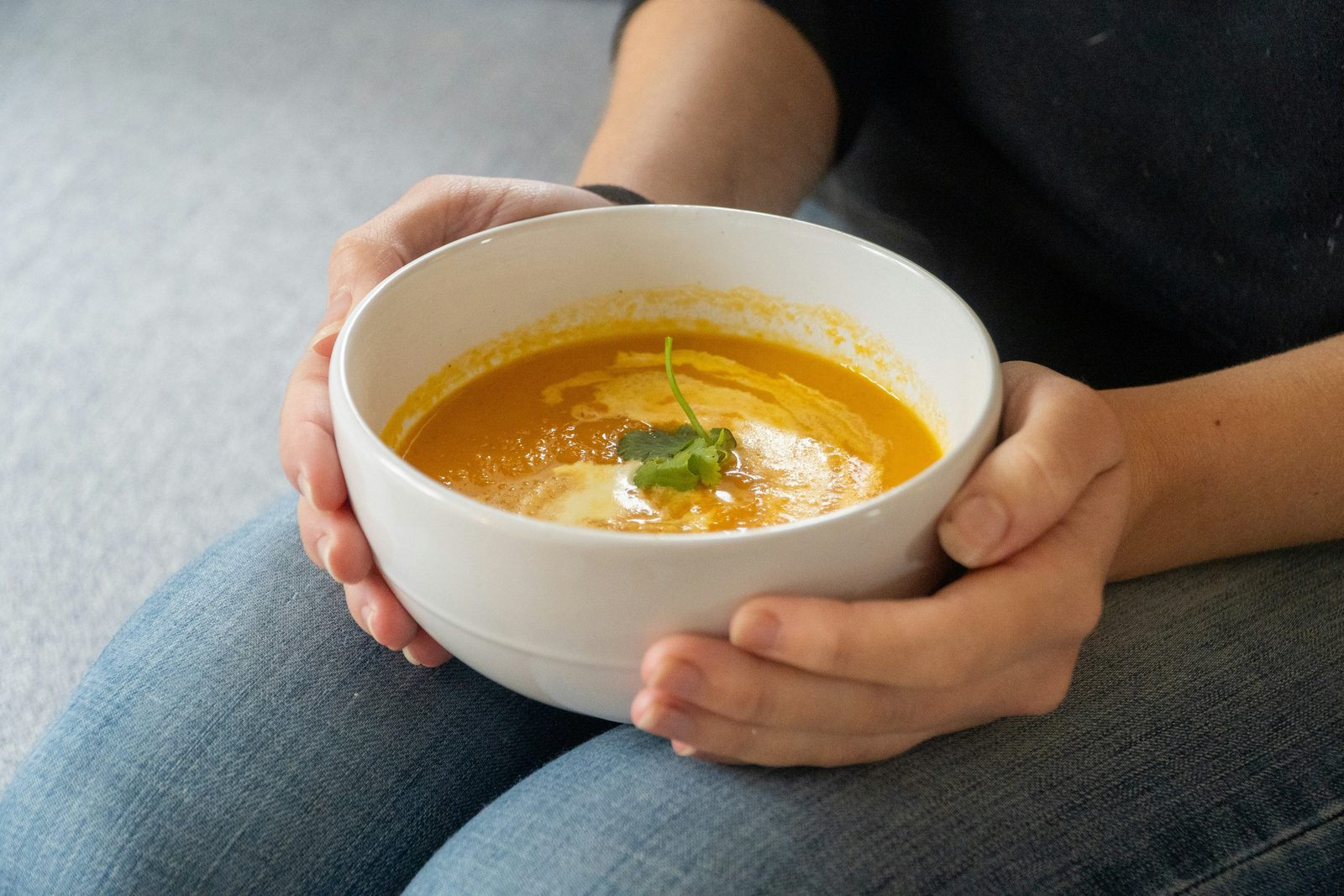
Herbs For
Sleep & Energy
Trouble falling asleep, waking at the same hour each night, or both: each points to a different pattern underneath.
For energy, the goal isn't a jolt like coffee. Ideally, you feel refreshed and calm, alert and focused.
Learn more about herbs for sleep & energy →
Herbs For
Headaches & Joint Pain
Where a headache sits, at the forehead, temples, or back of the head, helps us find the pattern behind it.
Joint pain often follows the weather, or what we eat, and herbs can work hand in hand with simple food changes.
Learn more about herbs for headaches & joint pain →
Don't see your concern here? Give us a call. Herbs are used for many other things, and we're happy to talk about whether they're a good fit for you.
Working Together
Herbs & Acupuncture
Acupuncture helps release what's stuck. Herbs help rebuild what's missing, and they keep working every day between visits.
Herbs can be taken on their own, but in our experience many people do best with both. Herbs are optional, and we're happy to add them whenever you feel ready.
Quality & Safety
What You'll Take Home
Capsules and pills
Easy to carry and easy to take, with no taste to get used to. A good fit for busy schedules and travel.
Loose powder
Concentrated herb powder that you stir into warm water and drink like a tea. Powders let us fine-tune the formula to you more precisely.
Where our herbs come from
We use established herbal companies we have trusted for years, including Evergreen, Golden Flower, and Seven Forests.
What to Expect
Giving Herbs Time
Many people notice small changes within the first week or two, often in sleep, digestion, or energy. Patterns that have been building for years usually take longer, sometimes a few months.
Often the first thing to change isn't the reason someone came in. We hear "I didn't come for sleep, but I'm sleeping better" fairly often.
We check in regularly, usually every few weeks, to see how you're responding and adjust the formula.
Get Started
Talk With Us
Herbs can be added to your acupuncture visits or started on their own. Call or text either of us to schedule.
New patient? Download the intake forms (PDF)
Print them and bring them to your first visit.